What living on the coast actually does to a roof
Four separate processes, running all the time, on different parts of the roof. Almost nobody thinks about more than one of them.
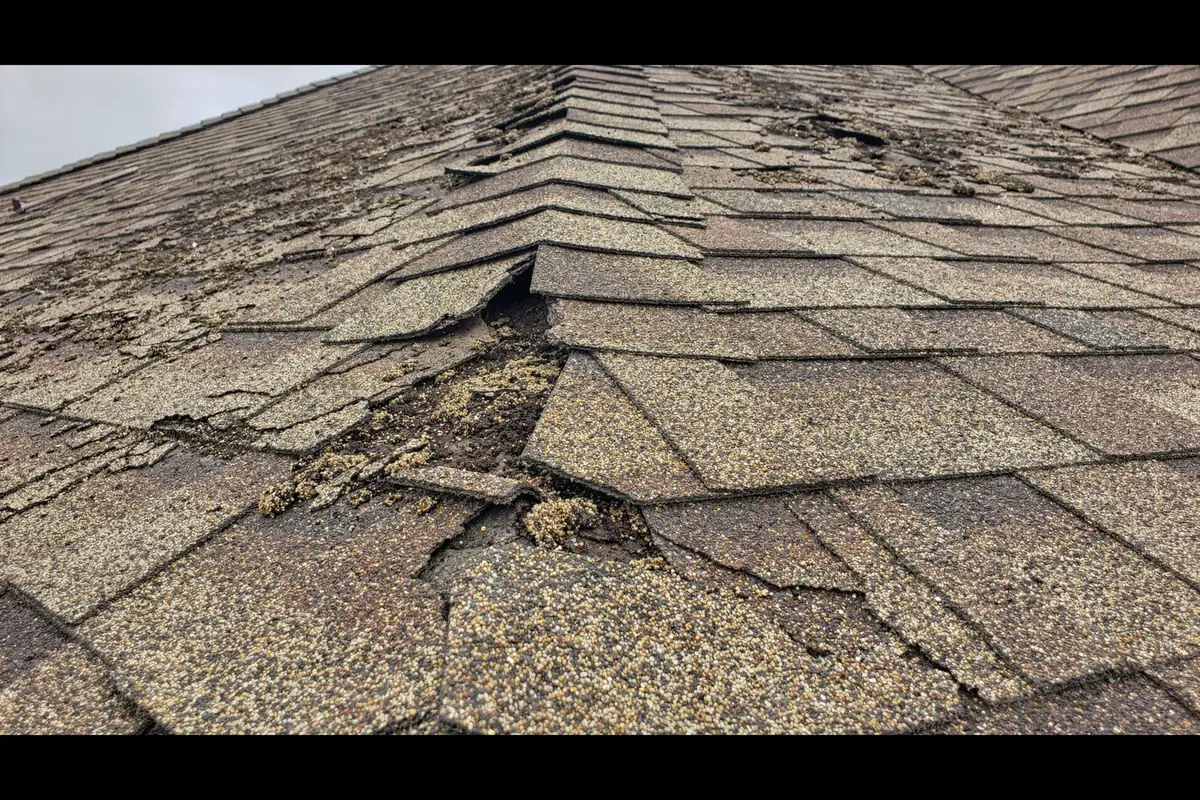
There is no single coastal roof problem. There are four, they attack different parts, and they run simultaneously. Most advice picks one and ignores the rest.
Salt, which never stops
Salt in the air is not an event, it is a condition. Damp nights leave a film on every surface and warm days concentrate it, every day of the year, storm or no storm.
What it attacks is metal, and a roof has more metal in it than people picture: the fasteners, the flashings around every penetration, the drip edge along every eave, the valley metal, the vent caps, the straps and clips holding things down.
Those parts are small, cheap and structurally decisive. A roof rarely fails in the middle of a slope. It fails where something metal was holding an edge, and salt is what softens that holding first. Specifying better metal for those parts costs very little because they are a small share of the job.
Wind driven rain, which goes uphill
Ordinary roofing assumes water runs downhill. It is designed around that assumption: courses overlap so that gravity keeps water on the outside.
Wind driven rain does not respect the assumption. Water arriving horizontally, or pushed up a slope by a gust, gets under the bottom edge of a course and behind flashings that would never leak in still rain. It is why a roof that has been perfect for eight years can suddenly leak in a single storm and then never again.
The defences are all detail rather than product. Proper laps at the flashings. Underlayment that goes far enough up and under. A drip edge that is lapped the right way round. A starter course that is present and correct, which is the single most common omission on this coast.
Humidity, from underneath
A roof ages from both sides and the underside gets forgotten. Warm damp air in an unvented or half vented attic condenses on the deck, keeps the sheathing damp, and cooks the covering from below on a hot afternoon.
Ventilation fixes it and is routinely half done. Air has to get in low and leave high, in proportion, and it is the low half that gets blocked, painted shut or buried under insulation with nobody the wiser. A ridge vent with no working intake is decoration.
The reason to care is that it changes the life of the roof rather than causing a leak, which makes it invisible until it is expensive.
Ultraviolet, which ends most roofs here
An asphalt shingle is a mat soaked in asphalt with a mineral surface on top, and the surface is there for one reason: to keep ultraviolet off the asphalt. Once enough granules are gone the asphalt is exposed, it dries, and the shingle stops being flexible enough to lie flat and shed water.
On this coast that process runs faster than the rating on the wrapper assumes, and it runs fastest on the slope that gets the afternoon. That is why one side of a roof here can look a decade older than the other, and it is the honest answer to why a thirty year shingle is not a thirty year roof on this coast.
Granules building up in the gutters after you have cleared them is the clock running out. It is the single most reliable signal a homeowner has and it costs nothing to check.
So what actually helps
Ventilation, because it addresses two of the four at once. Better metal in the small parts, because it is cheap and it is what fails. Correct perimeter detail, because that is where wind and wind driven rain both do their work. And looking at the thing twice a year from the ground with a camera, which costs nothing and settles arguments later.
If a storm has already been through, telling wind loss from other damage comes first. If water is coming in and no shingles are missing, the flashing page is where that usually resolves. And if metal is on the table as the next roof, how it behaves on this coast sets out the parts that decide it.
Questions people ask
- My roof is only twelve years old and looks twenty. Why?
- Probably three things at once. Ultraviolet here is harder than the national average the product was rated against. A poorly ventilated attic cooks the deck from below and ages the covering from the wrong side. And if the slope in question faces the prevailing weather, it has taken more wind driven rain and more salt than the others. None of those is dramatic on its own.
- Does a roof near the water need washing?
- Rain does most of it. What washing helps with is algae staining, which is cosmetic, and it is worth knowing that pressure washing a shingle roof removes granules and shortens its life. If somebody offers to clean a roof, ask what pressure and what chemical, and be sceptical of anything that sounds energetic.
- Is there anything that genuinely slows all this down?
- Ventilation, which is the least glamorous and most effective thing on the list. A roof with balanced intake at the soffit and exhaust at the ridge runs cooler and drier than one without, and both of those extend the life of everything above and below the deck. It is also the thing most often left half done.
Last checked 2026-09-28.